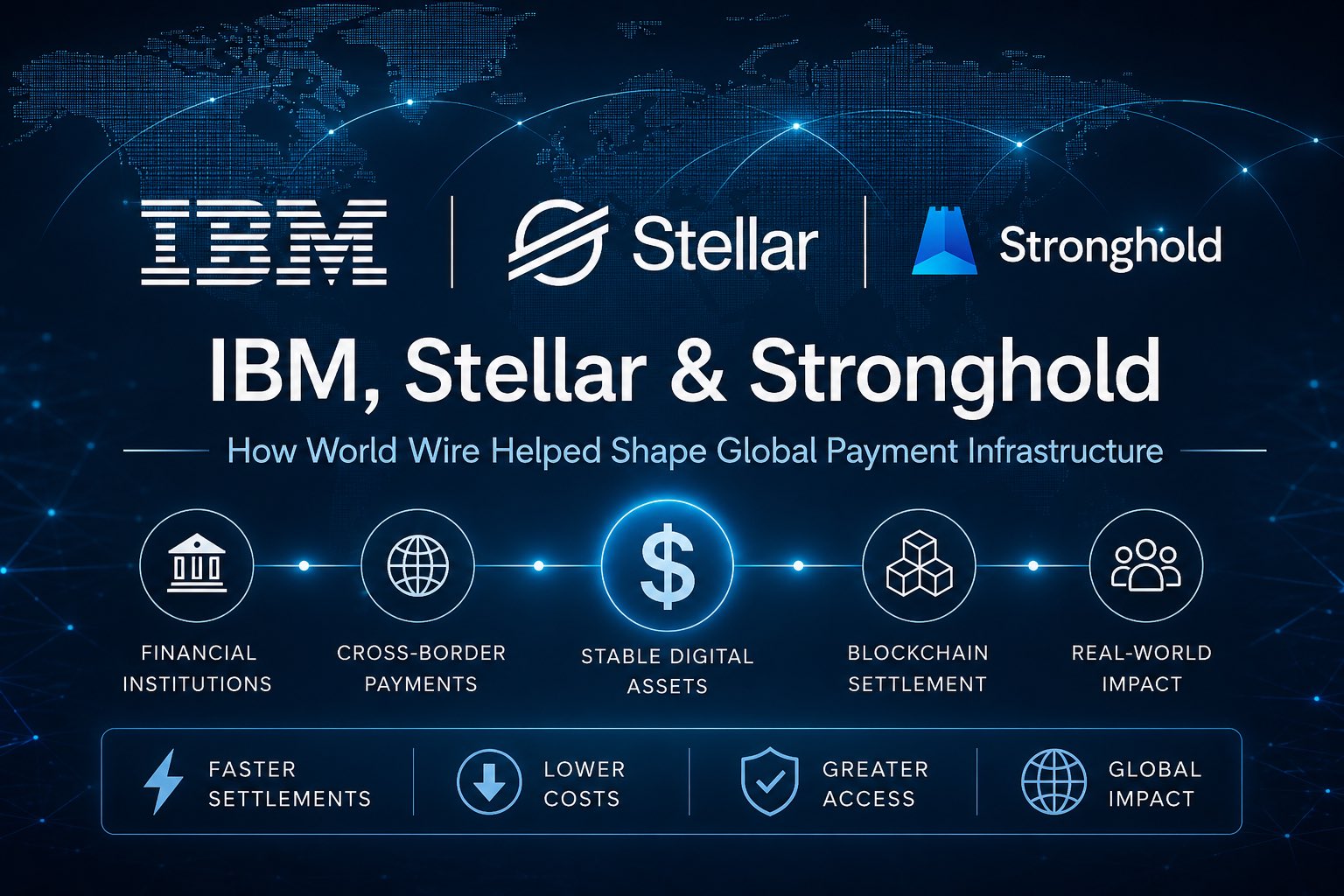
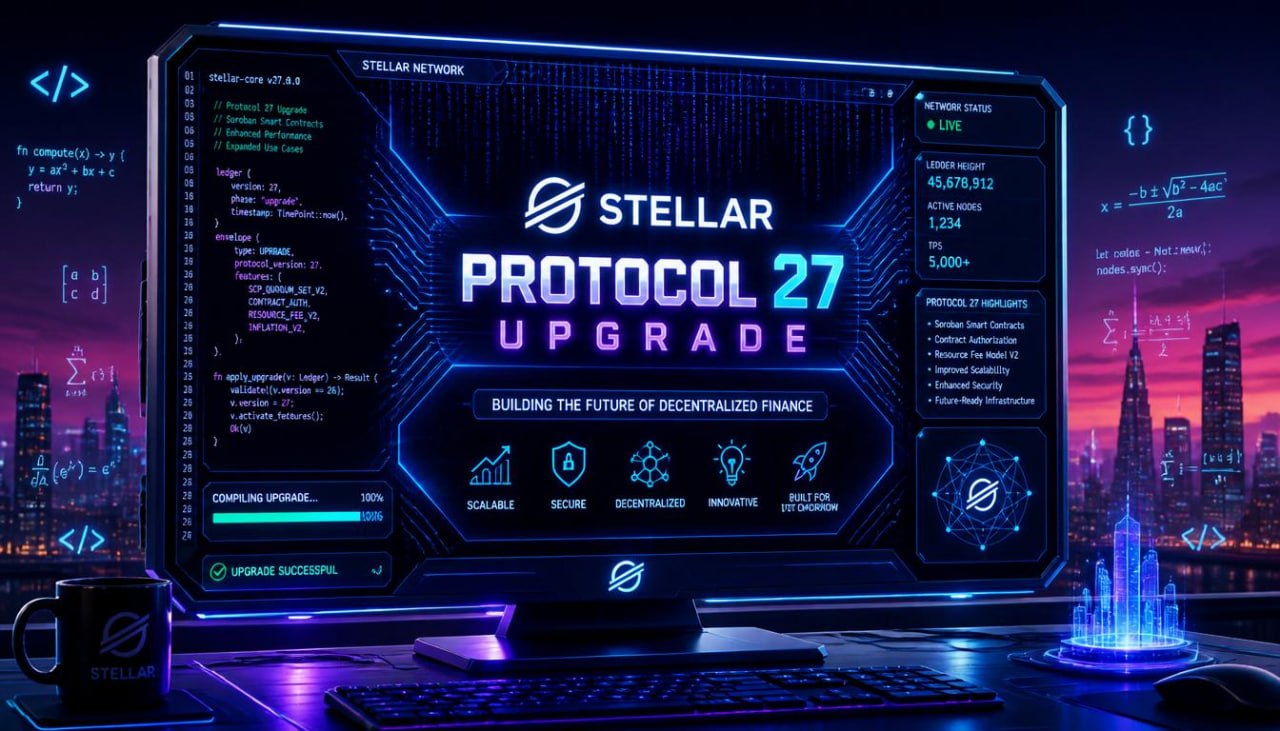
IBM, Stellar, Stronghold and the payment network that quietly helped shape today’s digital asset infrastructure.
Most people think @IBM World Wire disappeared years ago
Few realize that many of its core ideas are now being adopted across stablecoins, tokenized assets and blockchain-based settlement
Here is the story 👇
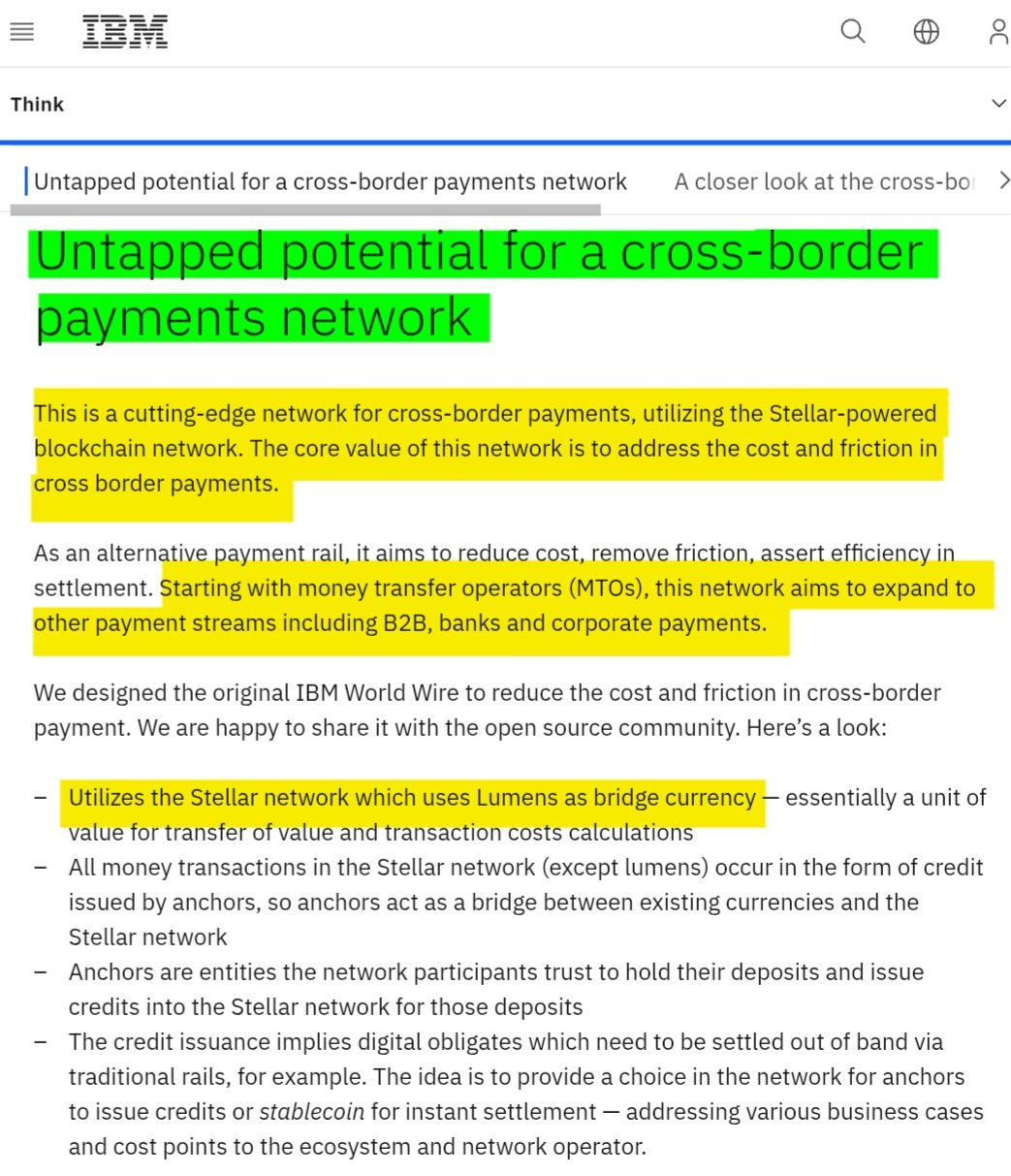
In 2017, IBM identified a major bottleneck in global finance: cross-border payments. International transfers often required multiple correspondent banks, high fees and days to settle. For an increasingly digital economy, the system looked outdated.
IBM believed the problem could be solved through blockchain technology. The company needed infrastructure capable of moving value globally, nearly instantly and at low cost. Its choice was @StellarOrg, a blockchain designed for payments and asset issuance.
In 2018, IBM officially launched World Wire. The goal was ambitious: allow financial institutions to settle transactions more directly, reducing reliance on traditional intermediaries.
IBM brought enterprise relationships and banking connections. Stellar provided the blockchain infrastructure. Transactions that previously required days could potentially settle in seconds
But there was another important piece of the puzzle: Stronghold.
While Stellar provided the network and IBM brought institutional reach, @strongholdpay supplied critical financial infrastructure. The company launched Stronghold $USD, one of the earliest dollar-backed assets on Stellar, helping bridge traditional finance and blockchain-based settlement.
Together, IBM, Stellar and Stronghold attempted to build a new model for global payments.
Technically, the concept offered compelling advantages: faster settlement, lower costs and greater transparency. Many of the benefits now associated with stablecoins were already being explored.
Yet technology alone was never enough.
Global finance runs on regulation, trust and institutional adoption. Changing legacy infrastructure is often harder than building a superior alternative.
Many financial institutions remained cautious about relying on public blockchain networks for core payment operations.
At the same time, regulatory uncertainty increased across the digital asset sector. High-profile enforcement actions, including the SEC’s lawsuit against @Ripple, reinforced concerns about how blockchain-based financial infrastructure would ultimately be treated by regulators.
For IBM, scaling World Wire required both regulatory clarity and broad institutional participation. Neither fully existed at the time.
Meanwhile, IBM’s strategic priorities shifted toward hybrid cloud, artificial intelligence and enterprise software following the Red Hat acquisition. Blockchain initiatives gradually became less central to the company’s long-term strategy.
World Wire eventually faded from the spotlight.
Many observers viewed that as the end of the story.
In reality, it may have been the beginning of a different one.
Rather than locking the technology away, @IBM released key components of the World Wire architecture as open-source software.
The product disappeared.
The ideas remained.
Over the following years, the broader financial industry moved steadily toward many of the same concepts World Wire had explored: regulated digital dollars, tokenized real-world assets and blockchain-based settlement infrastructure.
Today, those ideas can be seen across stablecoins, tokenized funds and modern payment networks.
Many viewed World Wire as a failure.
Perhaps it is more accurate to view it as a prototype.
IBM moved on, but Stellar and Stronghold continued building.
And the vision of more efficient, programmable global finance never disappeared.
World Wire does not live on as an IBM product, but its technological DNA lives on throughout the Stellar ecosystem.
IBM stepped away, but many of the ideas World Wire explored are now being adopted across stablecoins, tokenized assets and blockchain-based settlement
 Stellar (XLM)
 Blockchainedbb TA_Analyst Trader B226.49K @blockchainedbb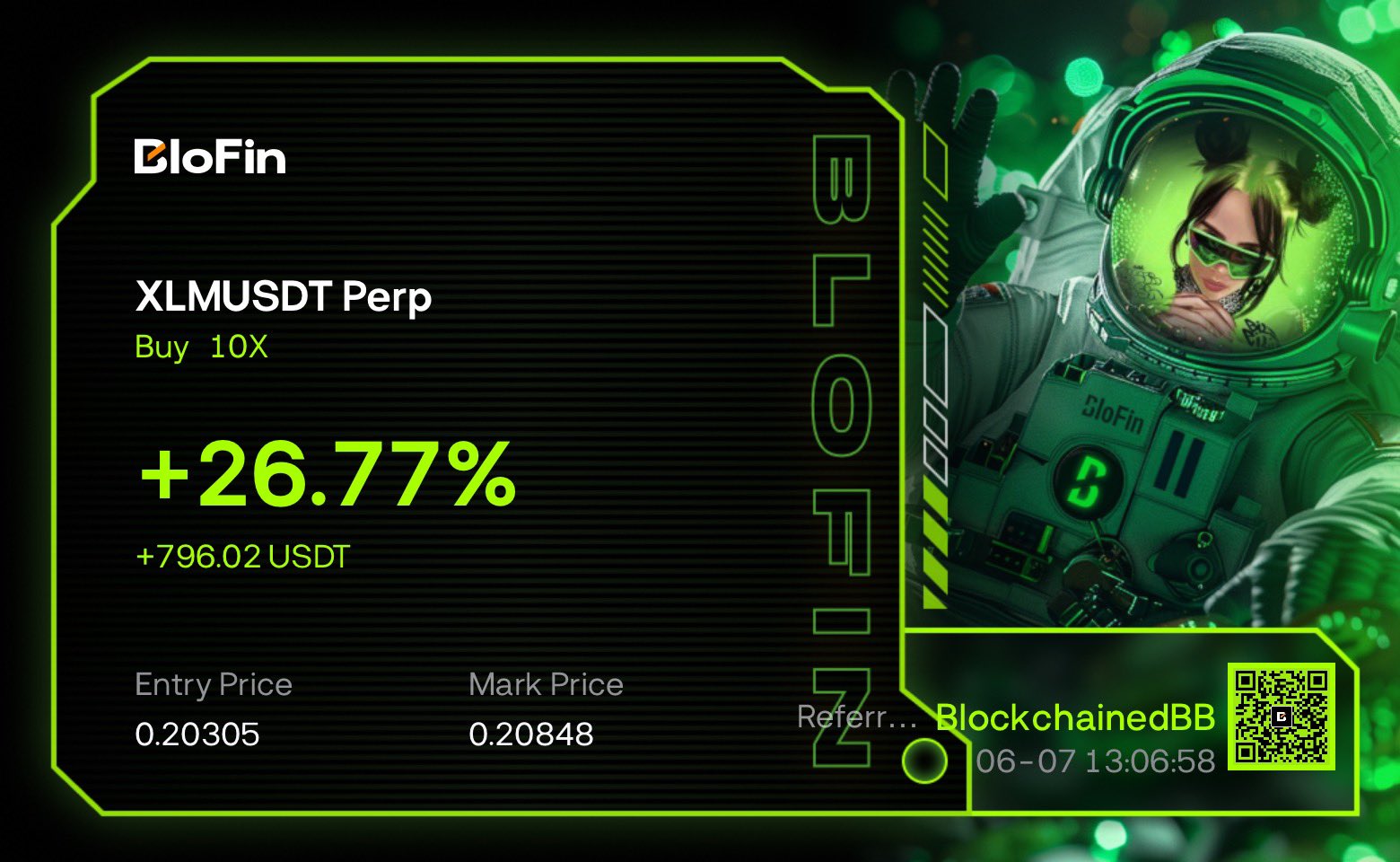
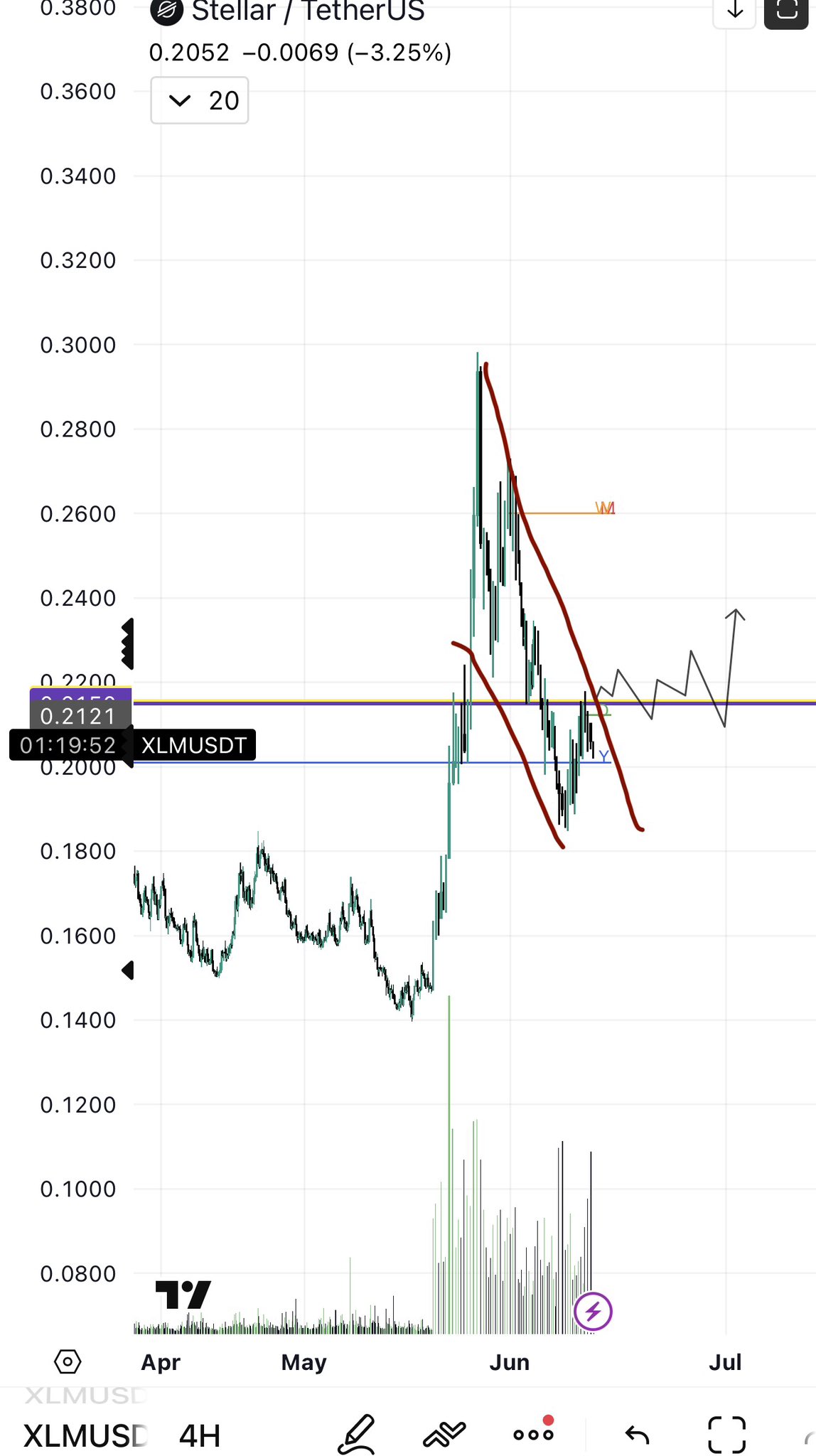 43 14 6.70K Gốc >Xu hướng của XLM sau khi phát hànhCực kỳ lạc quan
 X Finance Bull Regulatory_Expert Educator A41.93K @XfinancebullFICA 🧪 🐕🐻❄🙈🍌 D4.09K @FICA7064810765 7 2.73K Gốc >Xu hướng của XLM sau khi phát hànhTăng giá
 Zeus 🇬🇧 FA_Analyst OnChain_Analyst C26.35K @ZeusRWA0 0 0 Gốc >Xu hướng của XLM sau khi phát hànhCực kỳ lạc quan