One lesson I've learned from trading:
A great-looking setup doesn't automatically mean a profitable trade.
That's exactly why I've been spending more time on @SuperiorTrade_ running validations before deploying capital.
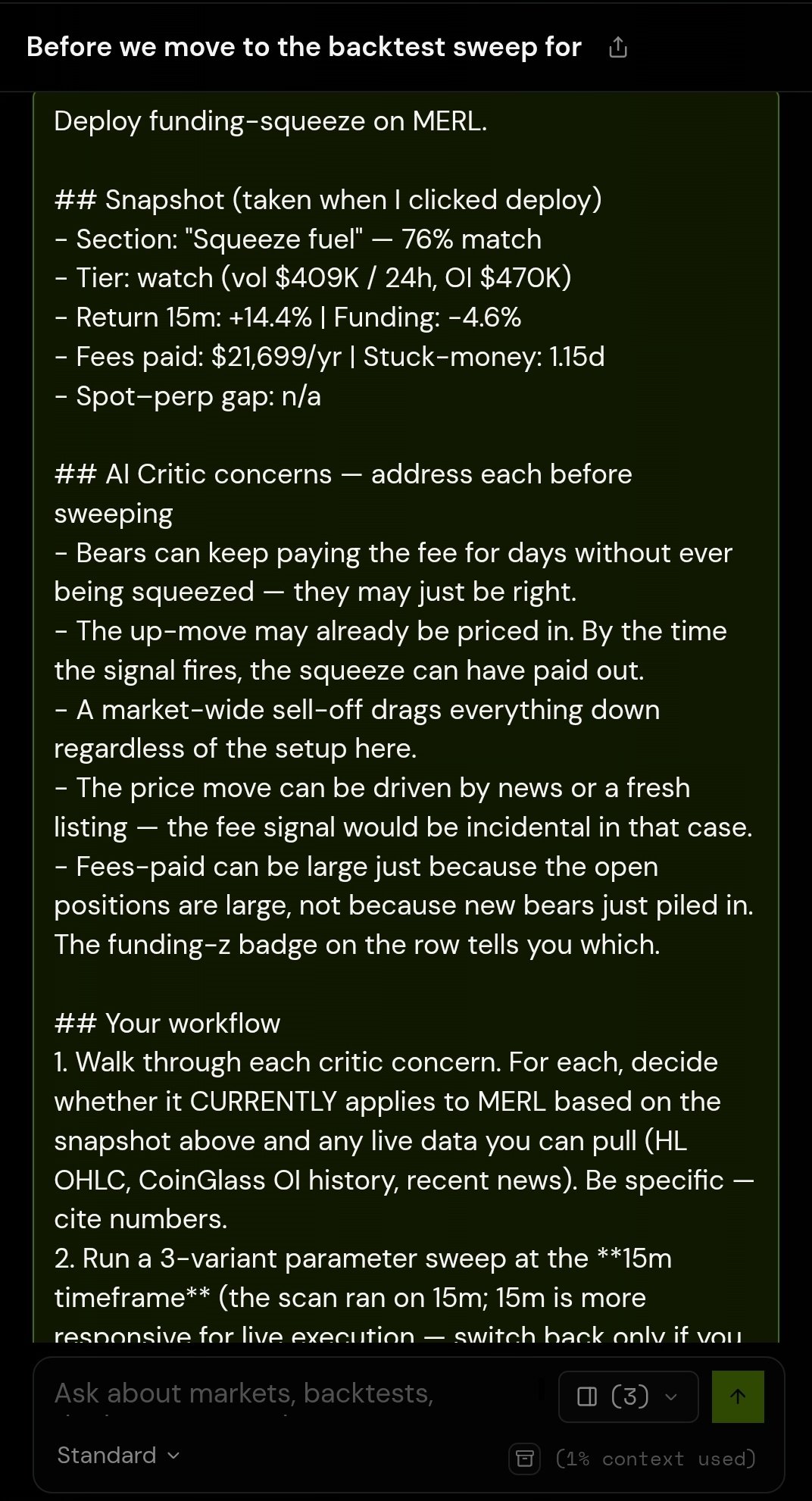
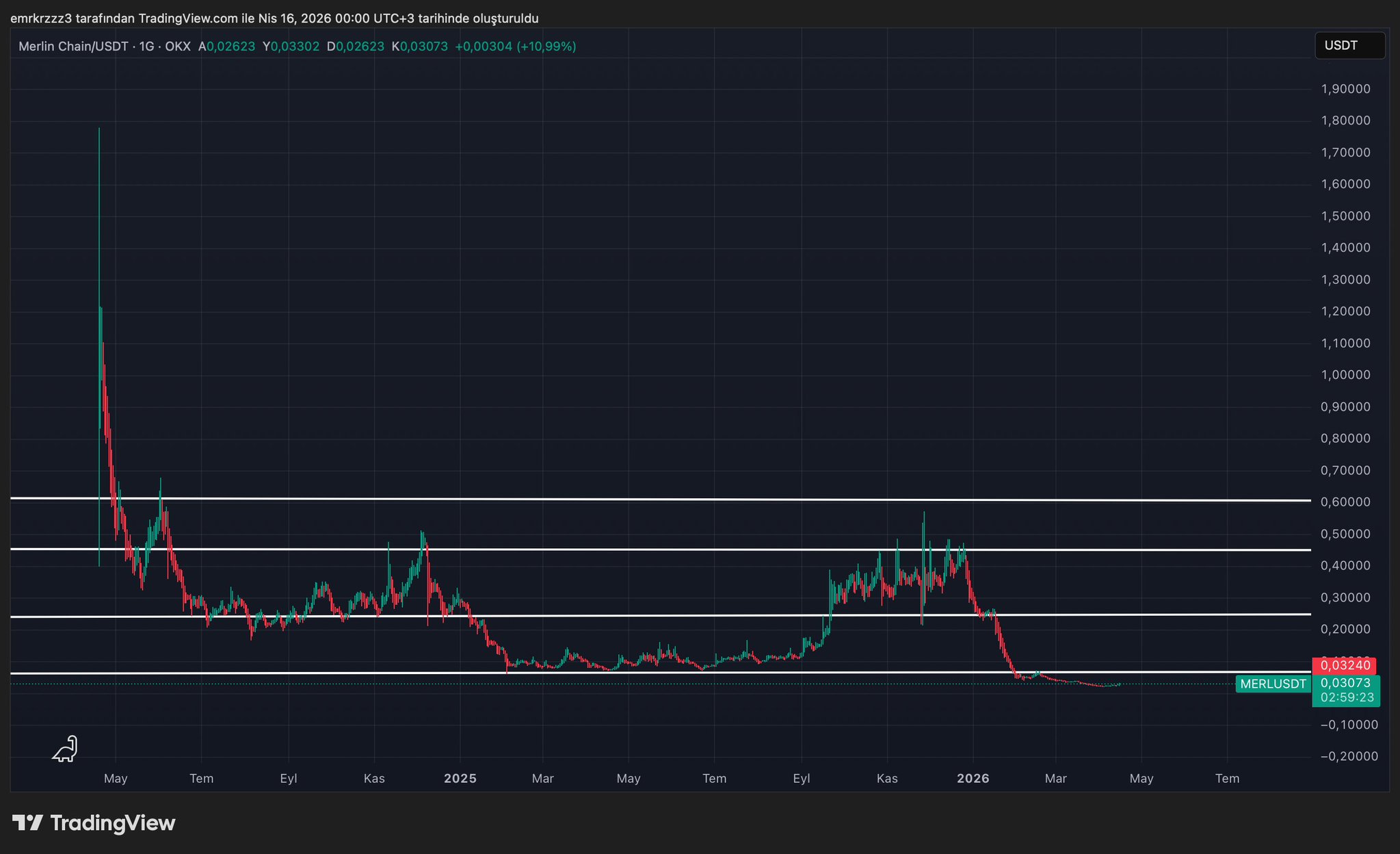
Recently, $MERL appeared in the Squeeze Fuel scanner with a 76% match score.
On paper, everything looked promising:
• +14.4% move on the 15m timeframe
• Funding sitting at -4.6%
• $470K open interest
• More than a day of trapped positioning
The market narrative seemed obvious.
Shorts were paying heavily to stay in their positions while price continued moving higher.
The natural assumption?
A short squeeze was about to accelerate.
Instead of buying the story, I tested it.
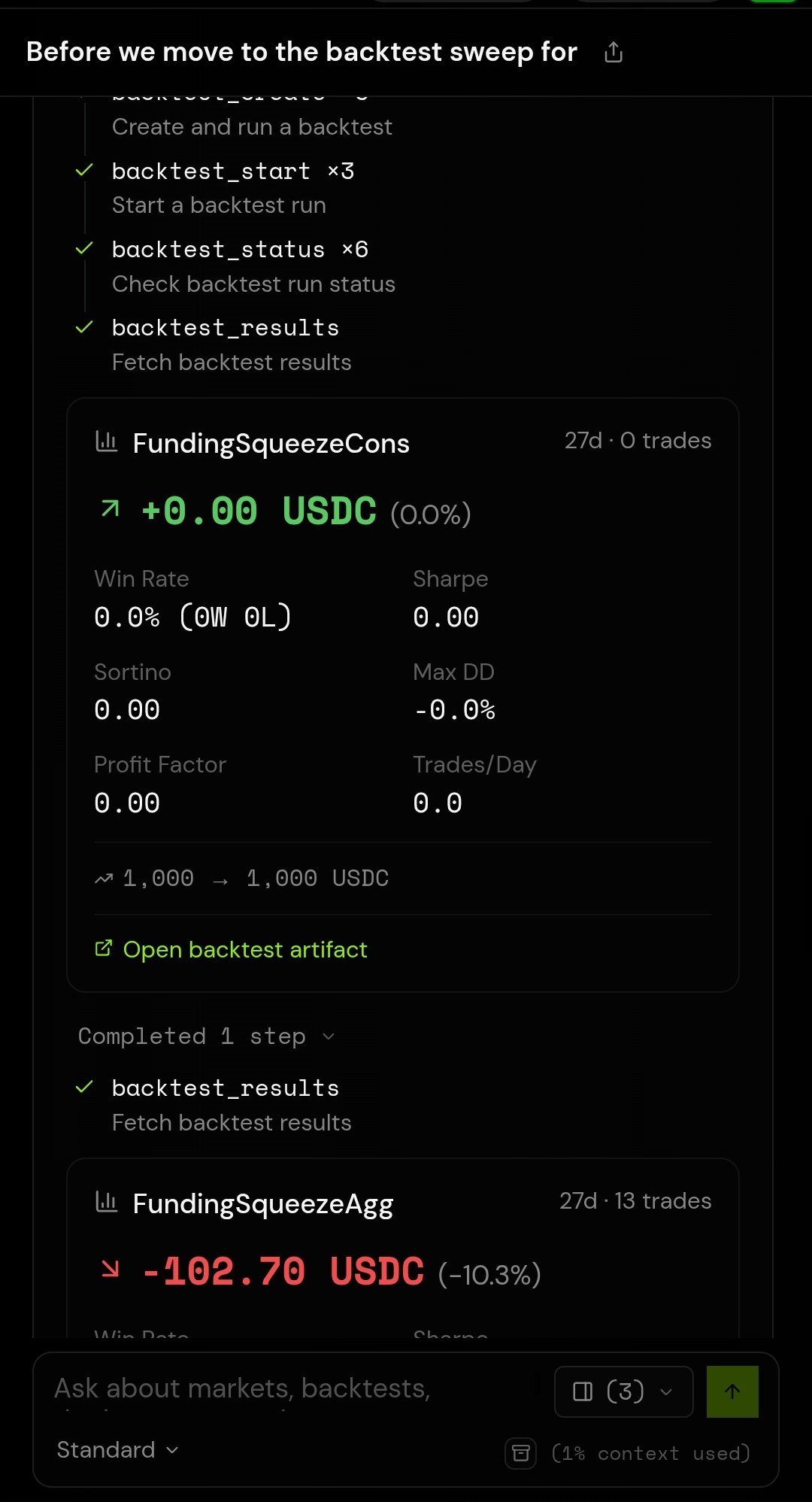
I ran a full funding-squeeze parameter sweep across three different thresholds:
• Conservative
• Balanced
• Aggressive
What happened next completely changed the picture.
Results:
Conservative:
• No trades triggered
Balanced:
• -7.6% return
• 25% win rate
Aggressive:
• -10.3% return
• 30.8% win rate
The deeper I looked into the data, the clearer it became.
The negative funding wasn't signaling trapped bears.
It was signaling confident bears.
The shorts weren't being squeezed out.
They were correctly positioned for the prevailing trend.
That's the difference between trading narratives and trading evidence.
Without testing, it's easy to assume extreme funding automatically creates upside pressure.
The backtest showed that in MERL's current regime, funding alone had no predictive edge.
What I like most about SuperiorTrade is the speed of the workflow:
Signal → Analysis → Backtest → Decision
No guessing.
No emotional entries.
No forcing trades.
Sometimes the highest-quality trade is the one you never take.
Because avoiding a bad setup protects capital just as effectively as finding a winning one.
Data before conviction.
Validation before execution.