ZetaChain latest news!
@ZetaChain @ZetaChain_KR
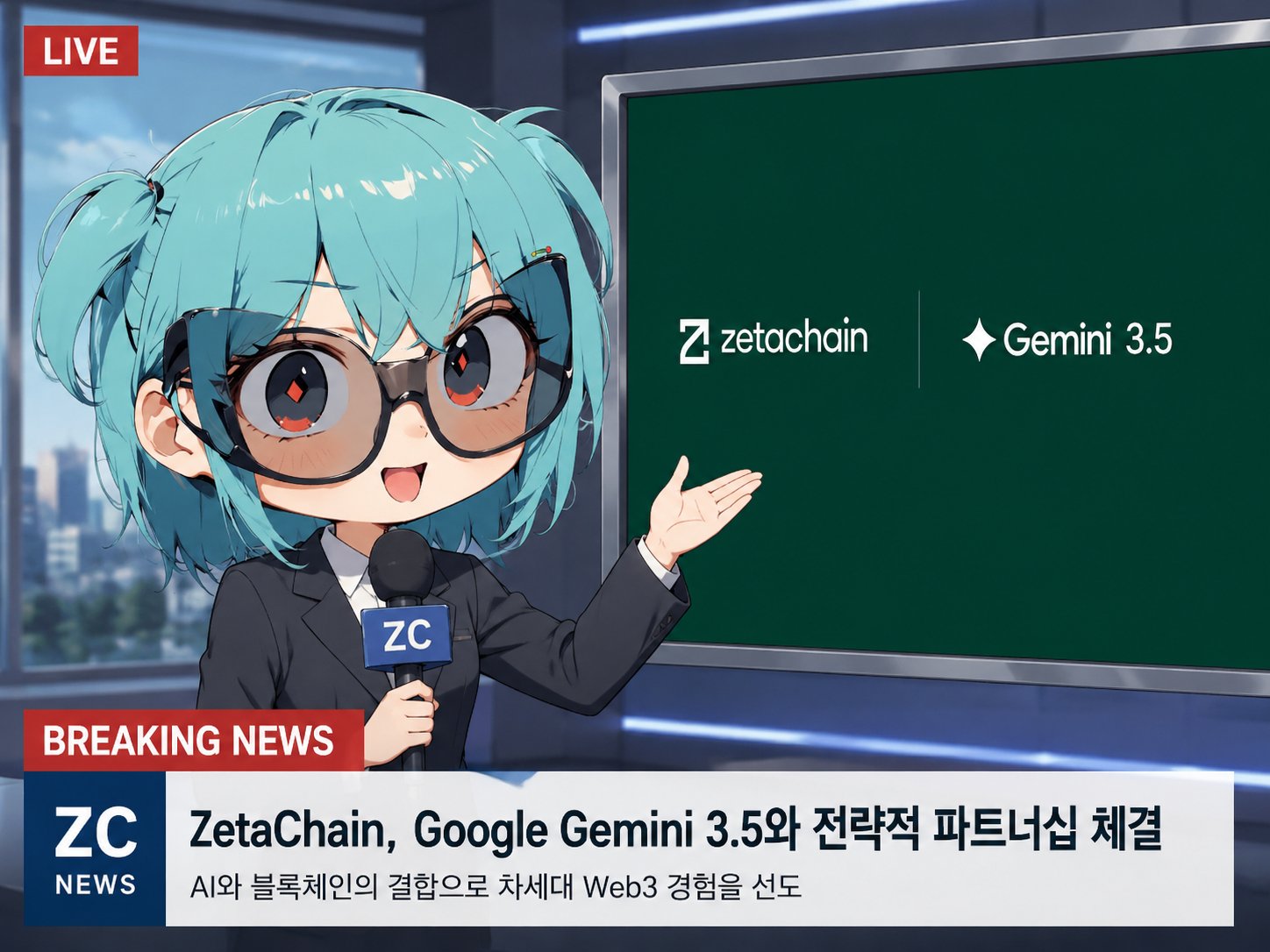
ZetaChain (ZetaChain) has integrated Google’s new AI model Gemini 3.5 (Gemini 3.5) and, through its own platform Anuma (Anuma), built a decentralized “memory layer”. This announcement marks a pivotal turning point for blockchain and AI convergence (Web3 + AI)!
ZetaChain × Gemini 3.5, four upcoming changes to look forward to
1. Evolution into an AI‑agent‑centric omni‑chain ecosystem
Historically, ZetaChain has focused on connecting different blockchains such as Bitcoin, Ethereum, Solana.
Going forward, it is likely to evolve beyond simple blockchain linking into an “AI‑Web3 hub” that connects various AI models and blockchains simultaneously.
Notably, Gemini 3.5 excels in “AI‑agent” capabilities that autonomously utilize multiple tools to perform tasks.
If combined with ZetaChain’s on‑chain memory technology, users can freely access a variety of AI services based on a single AI memory.
For example,
AI that analyzes Ethereum DeFi
AI that mints Solana NFTs
AI that analyzes market data for investing
can be used seamlessly without separate logins or data transfers.
Ultimately, services like
“Find the most promising asset based on my investment profile and automatically swap it”
could become possible as an AI assistant.
2. User‑centric data sovereignty era
Most current AI services store users’ conversation logs and data on corporate servers.
ZetaChain aims for a model where users own their data directly.
Personalized data such as conversation history, preferences, experiences, and likes could be treated as digital assets.
Anticipated changes
AI services may change while memories remain intact
Users manage their own data
Provide AI experiences not tied to specific companies
Furthermore, users could supply their data to research institutions or AI training and receive compensation, creating a new data economy.
In other words,
“My data is owned by me, and I can monetize it when needed.”
This concept could become reality.
3. Anuma grows into core infrastructure for Web3 AI
Anuma could evolve from a simple AI chat service into a platform that enables Web3 projects to easily incorporate AI functionalities.
A major issue in the AI market today is that switching models resets memory.
Traditional AI environment
Conversation context resets when moving from GPT to Claude
Personal data stored on central servers
Reliance on specific AI vendors
ZetaChain + Anuma environment
Memory sharing among GPT, Claude, Gemini, Grok
On‑chain encrypted storage
Structure not dependent on any single company
Anuma is already pursuing integrations with various AI models such as Gemini, Claude, ChatGPT, Grok, positioning it to become a central hub for multi‑LLM environments. Developers can create “memory‑enabled AI apps” without building complex AI infrastructure.
4. Expansion of ZETA token utility
When the AI memory layer is activated, the utility of the ZETA token could increase dramatically.
Memory storage and retrieval fees
When users converse with AI and store or retrieve those records on‑chain, network fees are incurred.
As AI usage grows, associated transactions will rise accordingly.
Payment method for AI agents
In the future, AI may act on behalf of users to use financial services or purchase data.
In this process, ZETA could serve as an omni‑chain payment and settlement token linking multiple chains.
Collaboration with Gemini 3.5 is not just the addition of another AI model.
It could be the starting point for ZetaChain’s evolution from a “project that connects blockchains” to a “next‑generation infrastructure that connects AI and blockchain”.
If ZetaChain successfully builds an on‑chain memory and AI‑agent ecosystem, it could occupy a highly significant position in the future Web3 AI market.
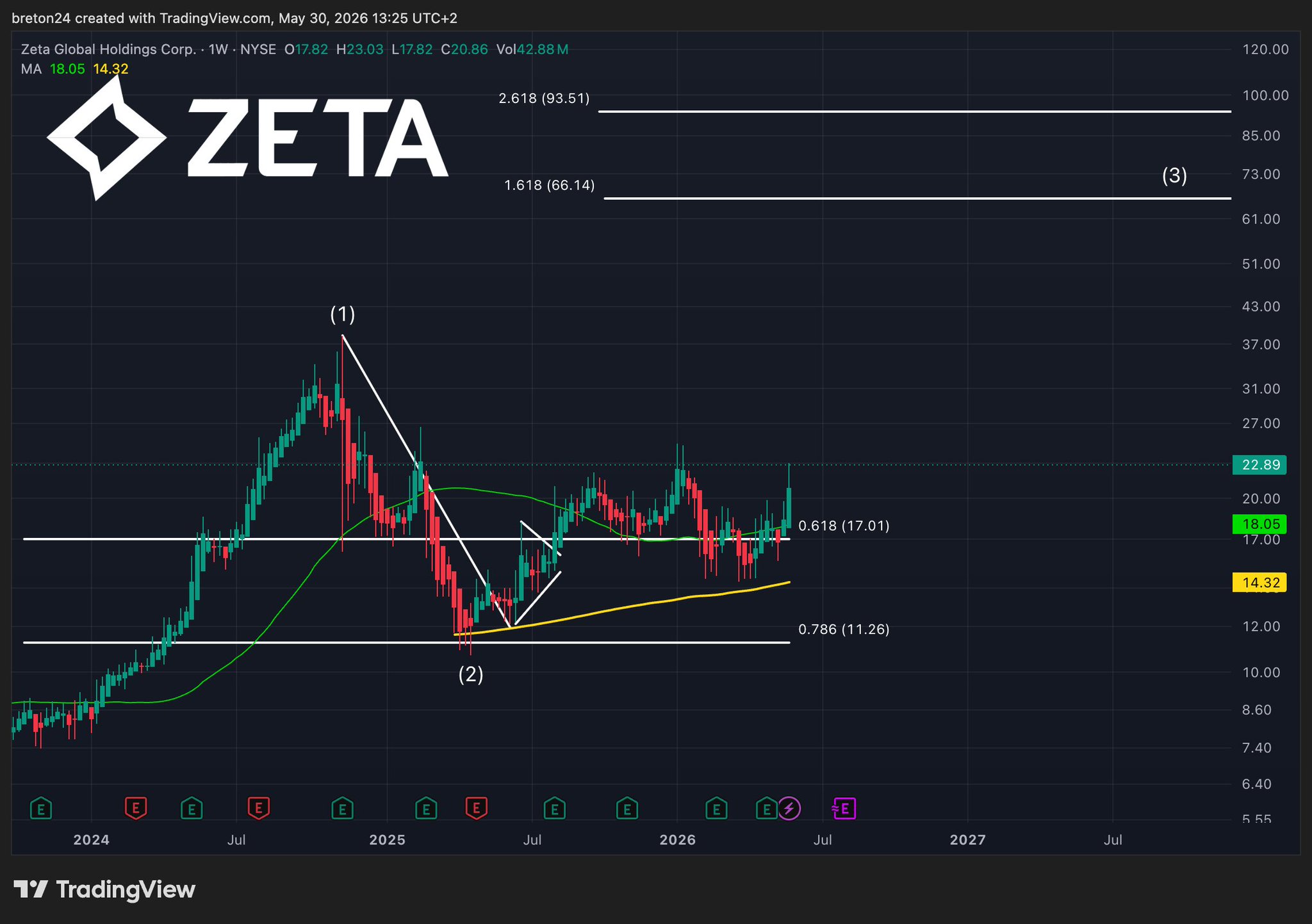
 ZETA (ZETA)
 Aria Radnia 🇮🇷 FA_Analyst Educator A25.14K @ariaradniaDavis. D2.95K @Davis_C1520 2 3.87K Leer original >Tendencia de ZETA tras el lanzamientoAlcista
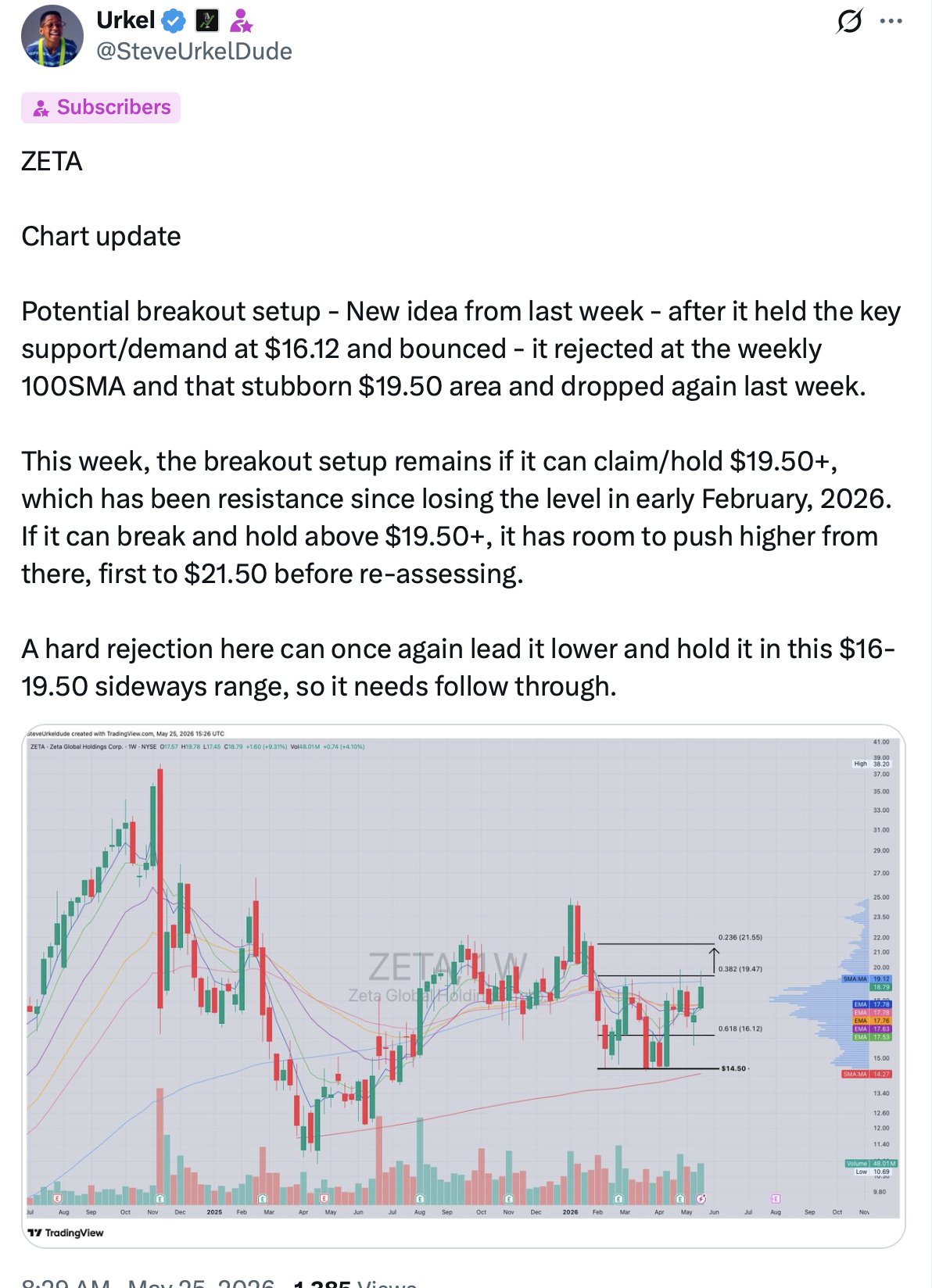
 Urkel TA_Analyst Trader B45.28K @SteveUrkelDude
 45 0 4.25K Leer original >Tendencia de ZETA tras el lanzamientoAlcista
 Aditya R D2.17K @AdityaInvests9055 6 8.50K Leer original >Tendencia de ZETA tras el lanzamientoAlcista
 MarketMaestro TA_Analyst FA_Analyst C45.66K @MarketMaestro1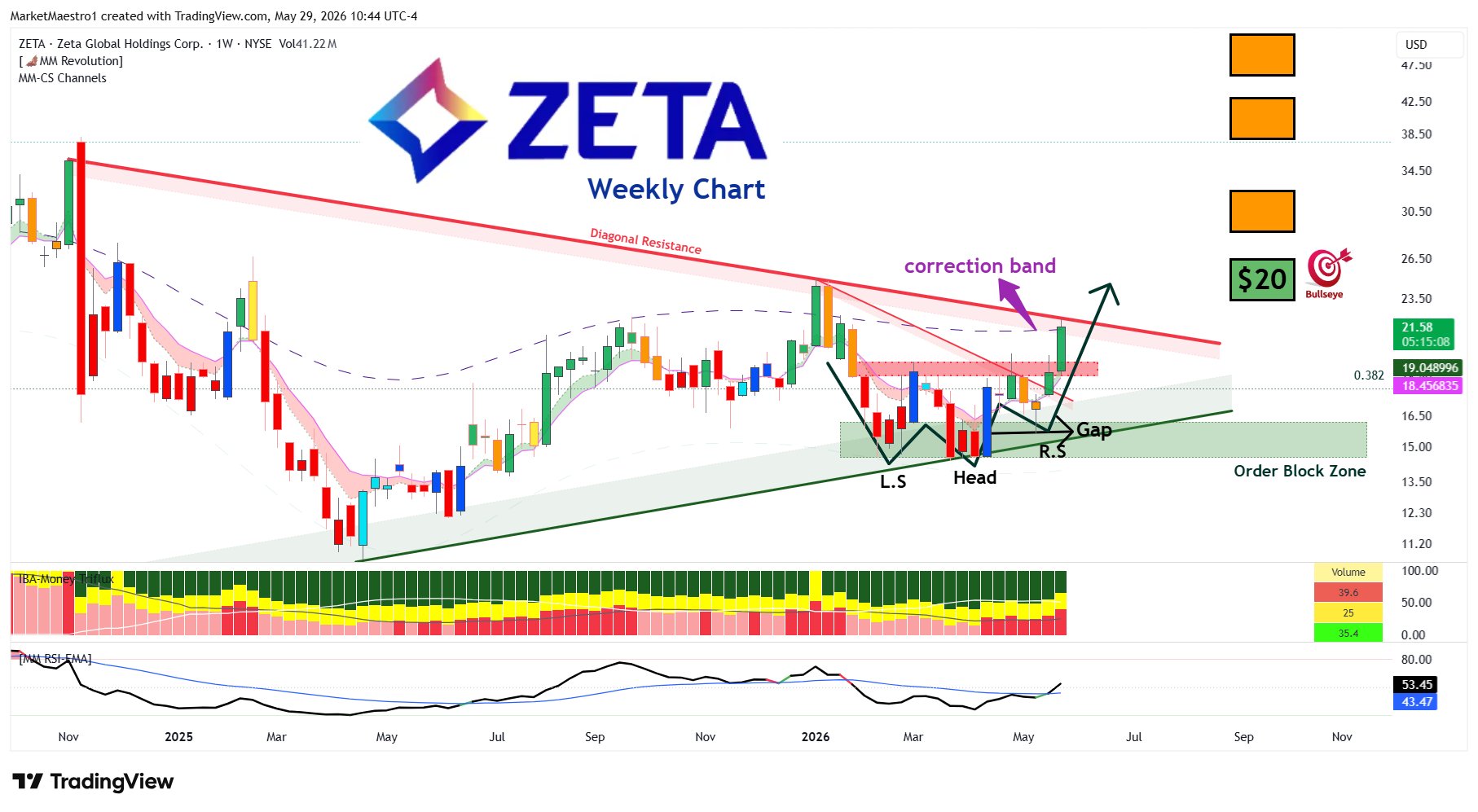
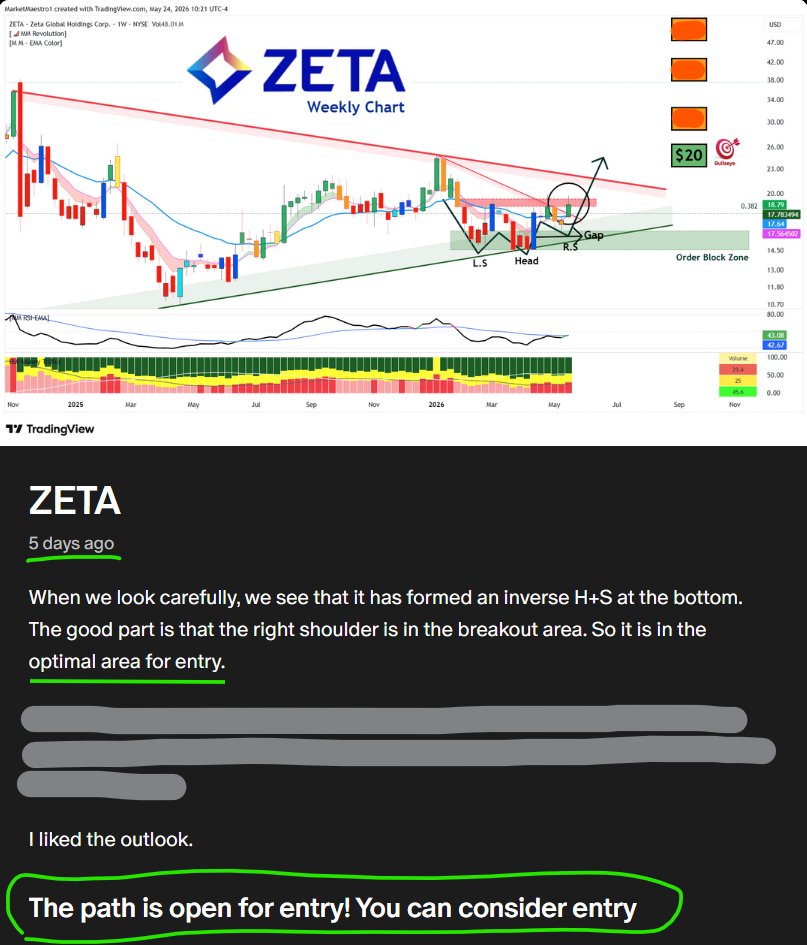 28 3 5.29K Leer original >Tendencia de ZETA tras el lanzamientoAlcista
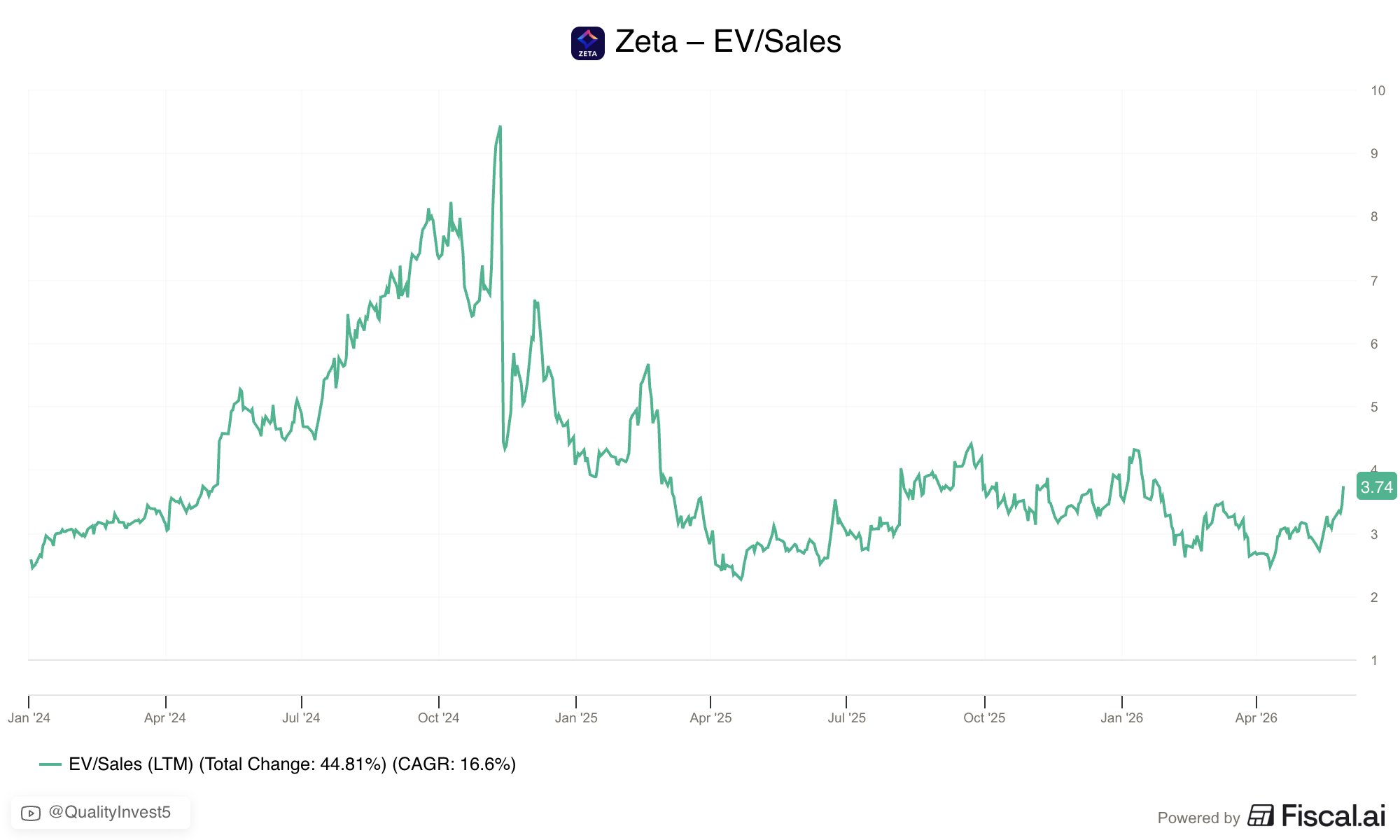 55 0 4.85K Leer original >Tendencia de ZETA tras el lanzamientoExtremadamente alcista