From Venice to Arcium: the privacy AI narrative is completing a closed loop from application to infrastructure.
In the blockchain industry, every narrative boom usually starts with applications, with infrastructure catching up. DeFi was like that back then, and the current AI track is following the same old path.
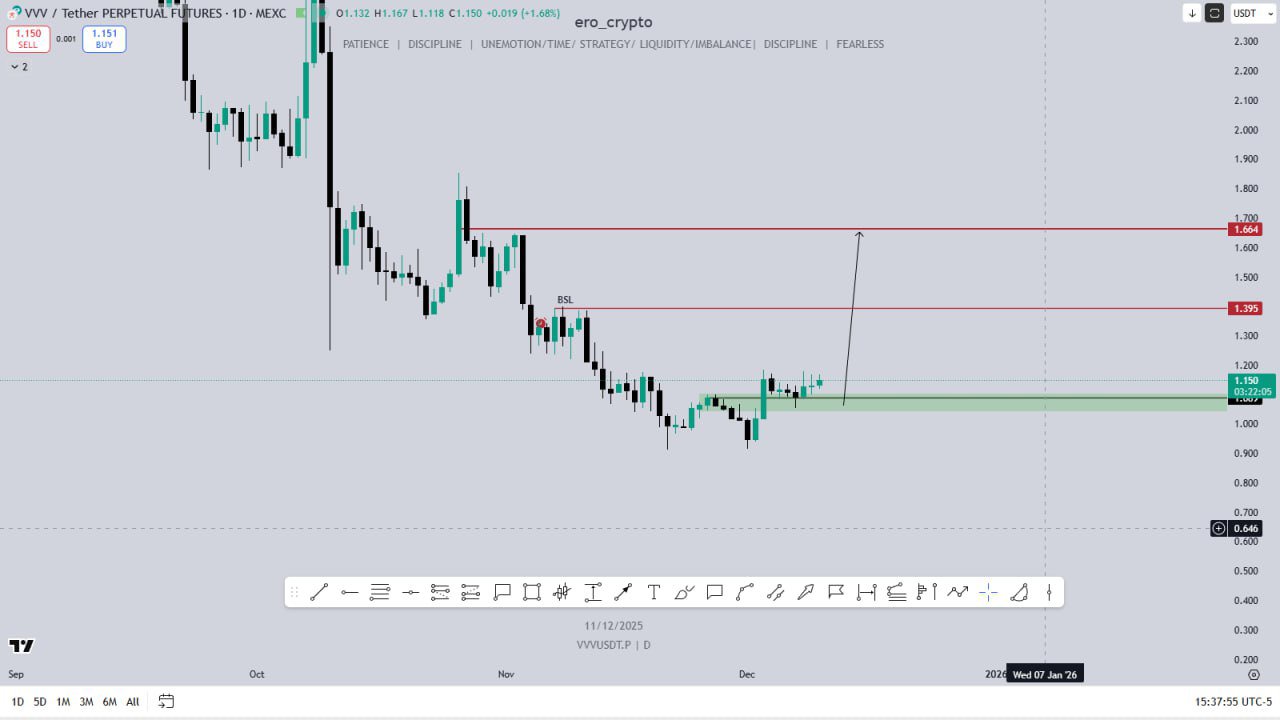
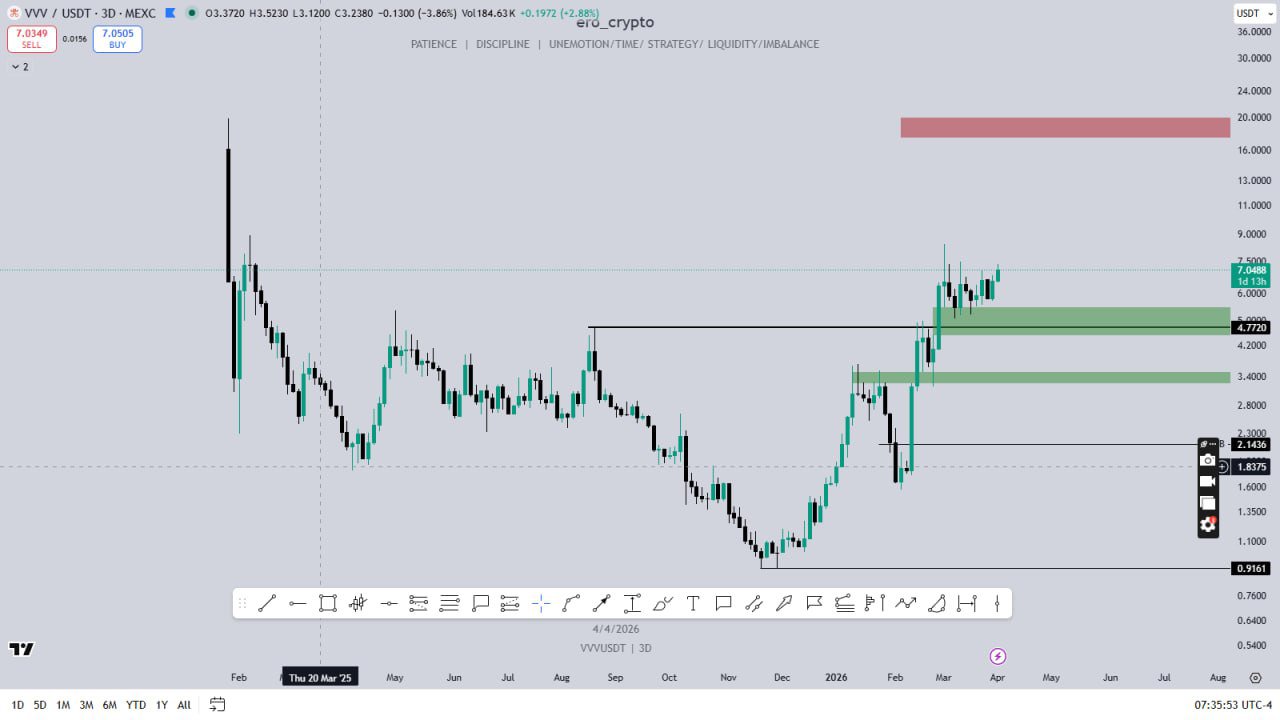
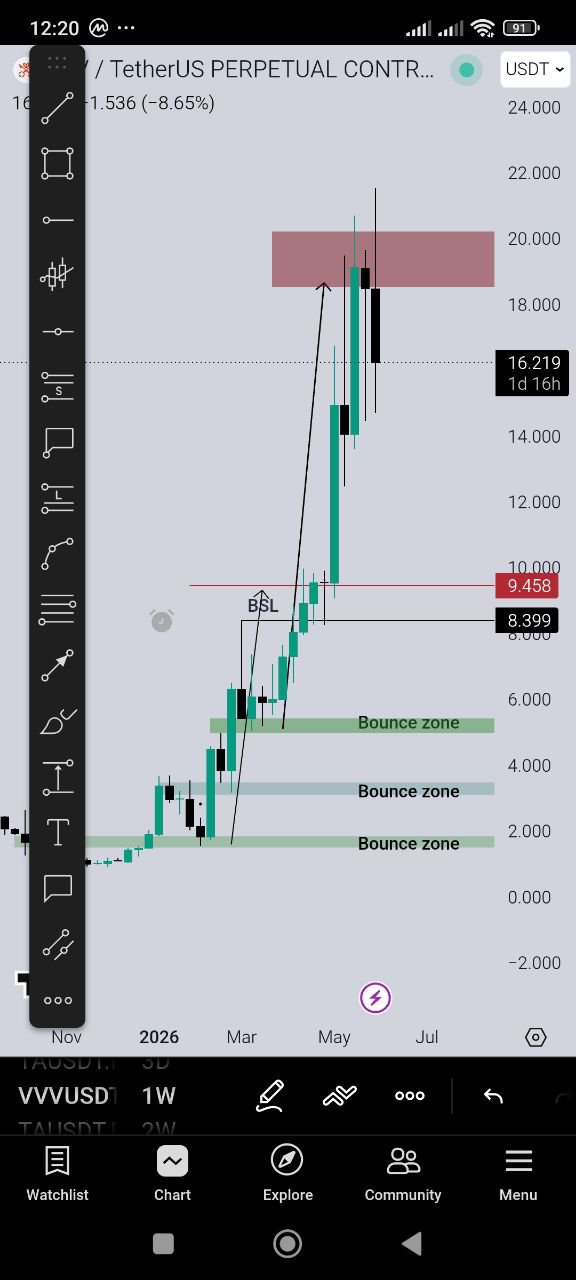
Recently, Venice fully brought the concept of privacy AI into the spotlight, with a very clear historical mission: to prove PMF (product-market fit) to the market. In the past many thought privacy AI was a pseudo-demand, but Venice's user numbers and hype have severely smashed those skeptics. It demonstrates that both retail and institutional players have an inherent obsession with absolute sovereignty over AI data.
Once the application layer lifts the ceiling, the market's next focus will inevitably shift to the underlying network's capacity. At that point, you can no longer define @Arcium with the vague privacy computing of the past.
Separating their ecological niches:
Venice (VVV) is the application side of Privacy AI: it creates scenarios, offers user-friendly interactions, and draws users and high‑value data in.
Arcium is the underlying Encrypted Execution Network for Privacy AI: it provides the hardcore low‑level computing environment.
Data is collected and generated on the application side, but the final confidential computation, policy execution, and on‑chain verification need to be handled by a specialized network like Arcium. Without Venice, the underlying infrastructure would become a ghost road with no traffic; without an encrypted execution layer like Arcium, the upper‑layer privacy applications would remain stuck at simple dialogue stages, unable to move to more complex commercial scenarios. The two complement each other, giving this narrative the confidence to endure.